Diary | Notes and Bestiary
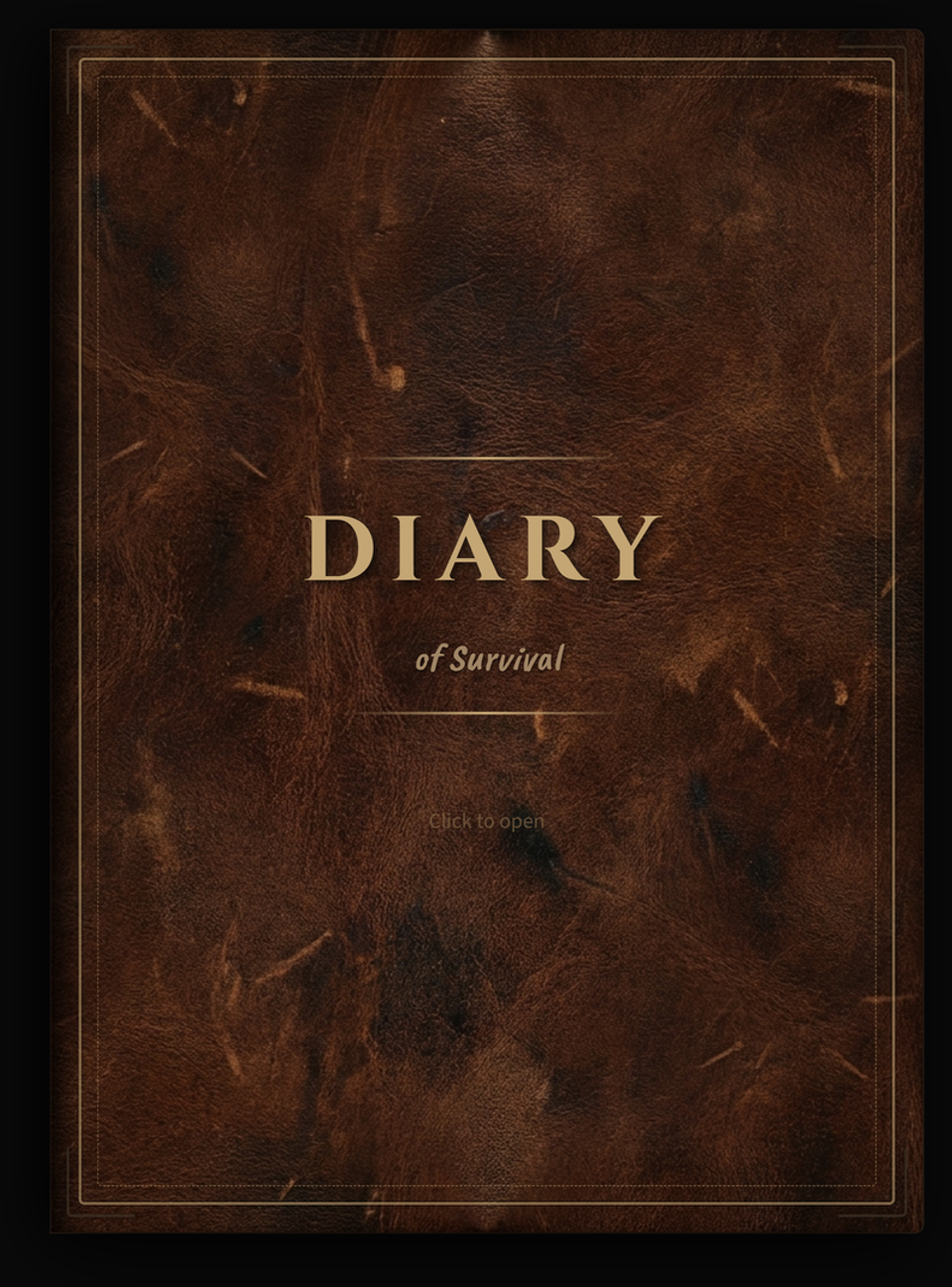
A leather journal every player carries and actually opens. The encyclopedia fills itself as they explore, players draw their own maps and notes inside, and any other script on your server can write pages into it too.


Overview
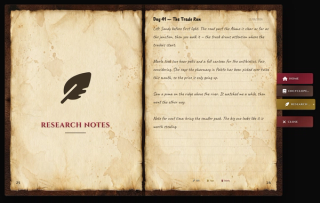
Every server has a lore bible nobody reads. Diary turns that knowledge into a leather book players open on their own, and it writes itself as they explore: aim at a creature, walk into a zone or pick up an item, and the page unlocks the first time it is earned.
What to expect
- Discovery by 3D model, radius zone, 3D box or inventory item
- Undiscovered entries stay hidden, with no placeholder pages
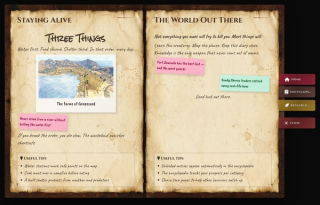
- Manual pages built from text, polaroids, sticky notes and tip boxes
- Long pages flow onto extra sheets without cutting a polaroid in half
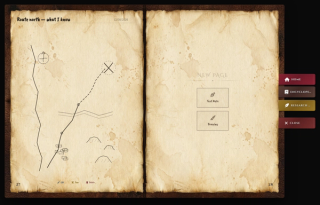
- Players write their own notes and draw maps on a free canvas
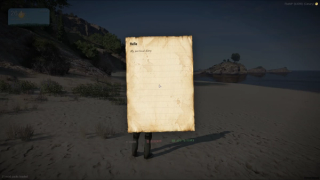
- Any page can be torn out and traded as a real inventory item
- Missions can read a player's notes, and other scripts can write pages in
- One diary per player for life, or serial-numbered books in item mode
- 0.00ms idle while the book is closed
Key Features
A Real Book, Not a Menu
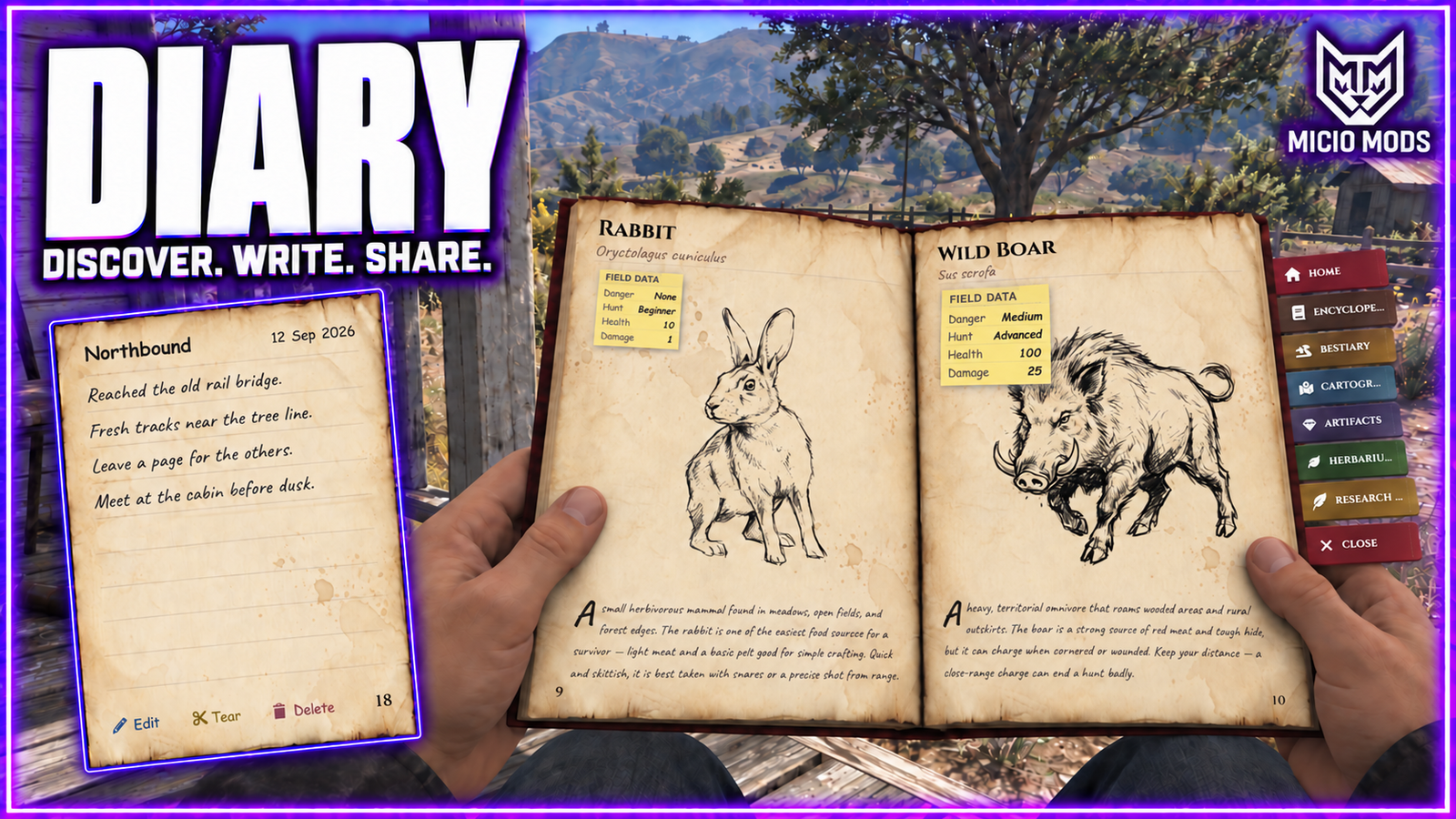
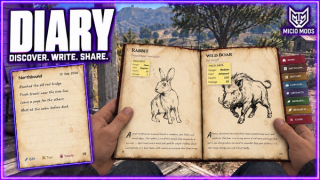
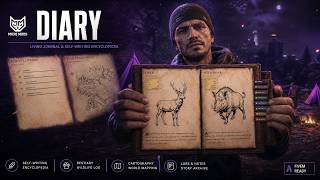
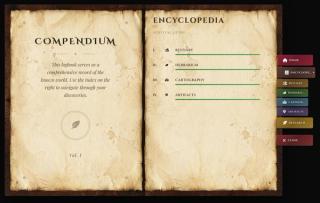
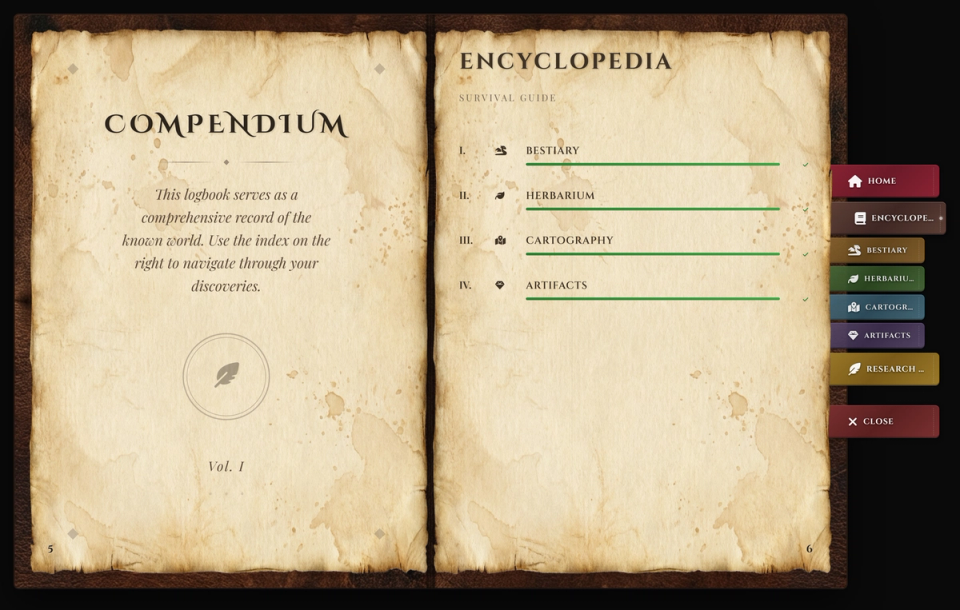
A clickable cover, pages that flip, stitched edges, and bookmark tabs down the side. The diary opens like a physical object, and the tabs let players jump between the manual, the encyclopedia, and their own notes in one click. The character pulls out a physical book in-world too, with a reading animation and a close-up camera while it is open.
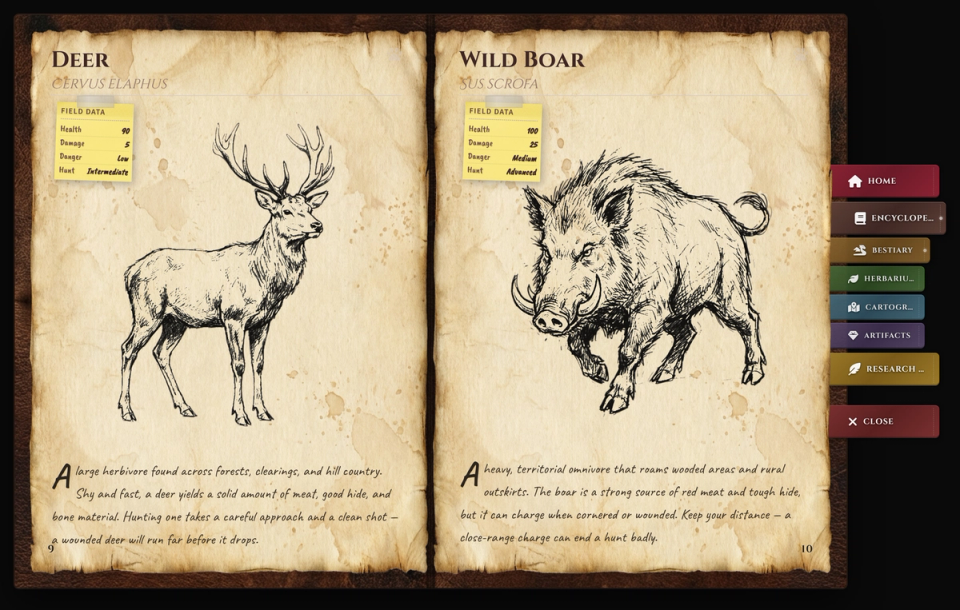
Discover by 3D Model
Tie any entry to an entity by its model: props, NPCs, animals, vehicles. The examine prompt only shows up when the player is actually carrying a diary.
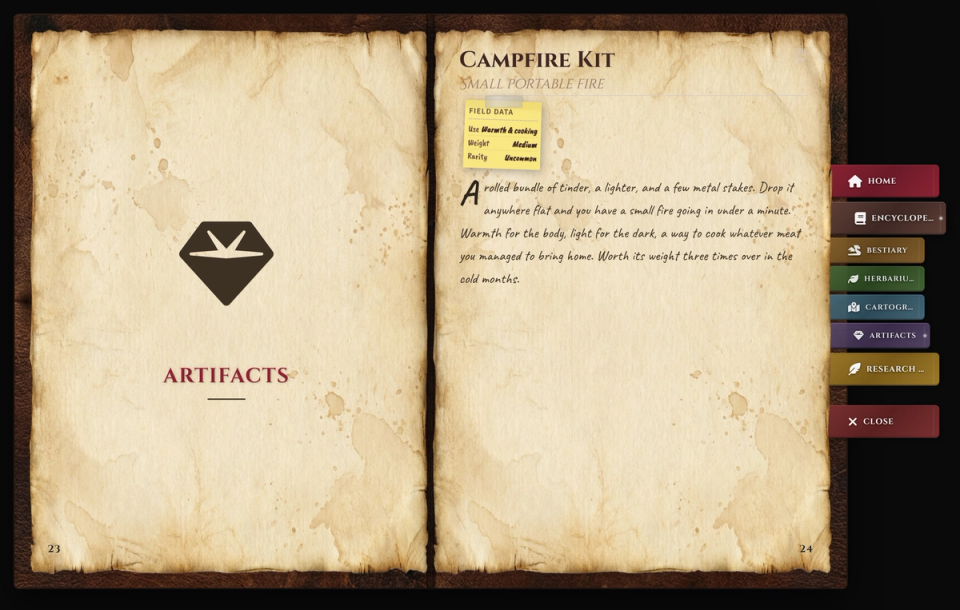
Discover by Inventory Item
Link an entry to an item. The moment that item lands in the player's bag, the encyclopedia page unlocks on its own.
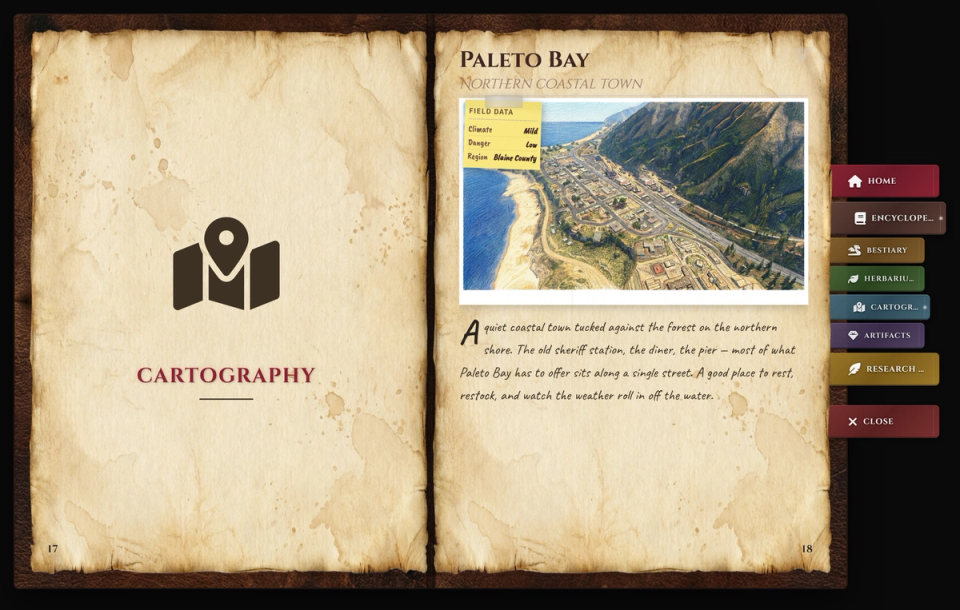
Discover by Radius Zone
Drop a sphere with coordinates and a radius. The player walks inside and the page unlocks. Ideal for hilltop landmarks, crash sites, signs, anywhere the rule is just get close to it.
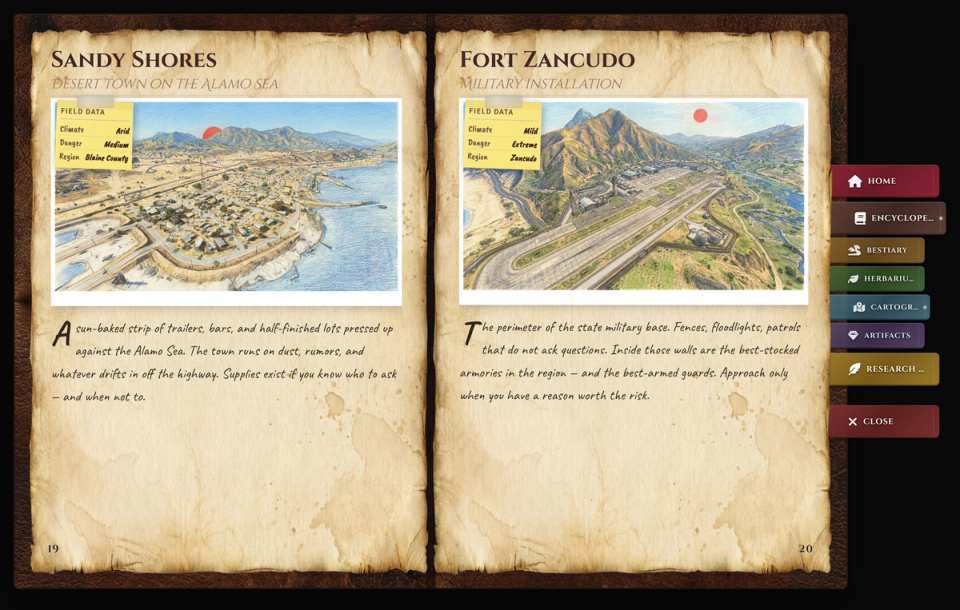
Discover by Box Zone
A 3D box with position, size, and optional rotation. Better than a sphere for buildings, dungeons, and rectangular rooms, where a sphere would spill into the next room or miss the corners.
Categories You Control
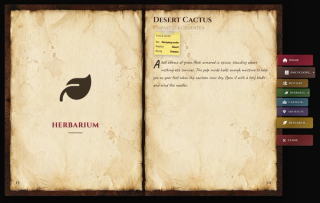
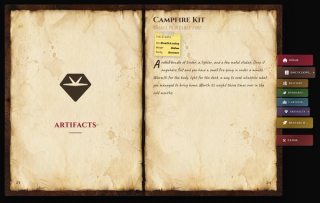
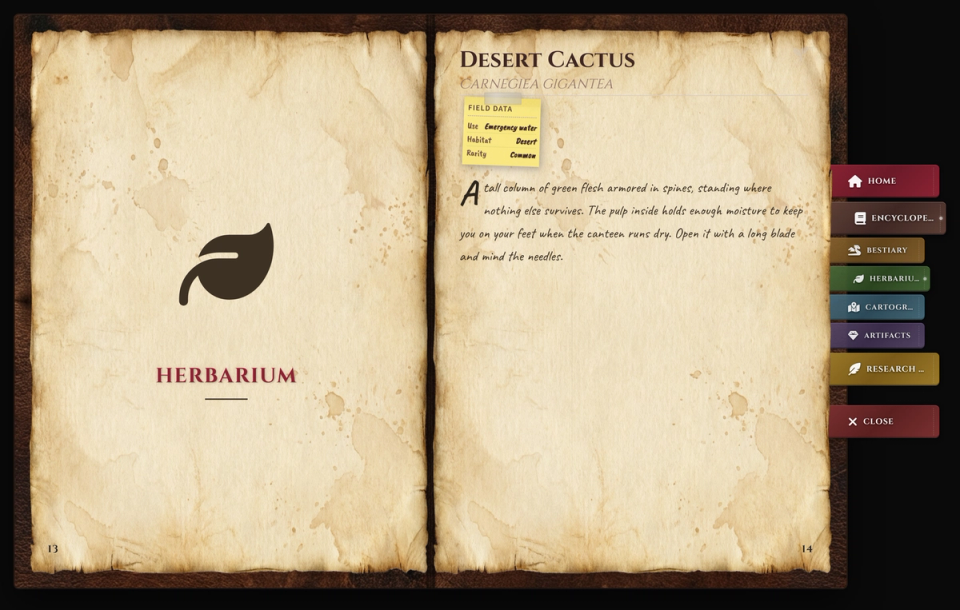
Comes set up with Fauna, Flora, Locations, Items, and Notes. Rename them, add your own, remove what you do not want. Each one takes a custom icon, a translated label, and live progress like three of eight found. Entries you have not discovered stay hidden, with no placeholder pages.
Manual Pages You Write
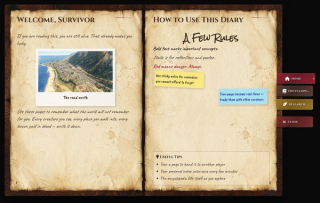
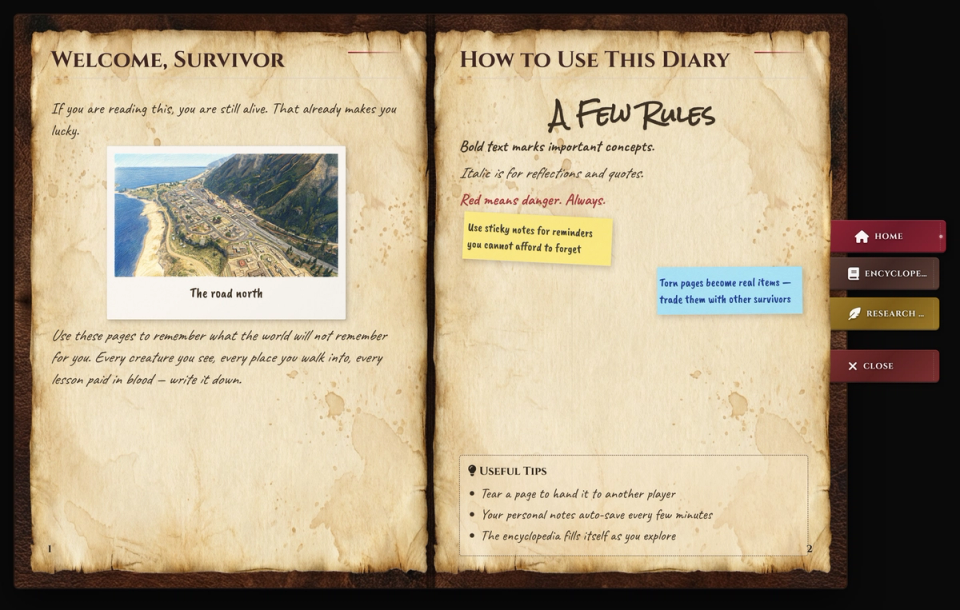
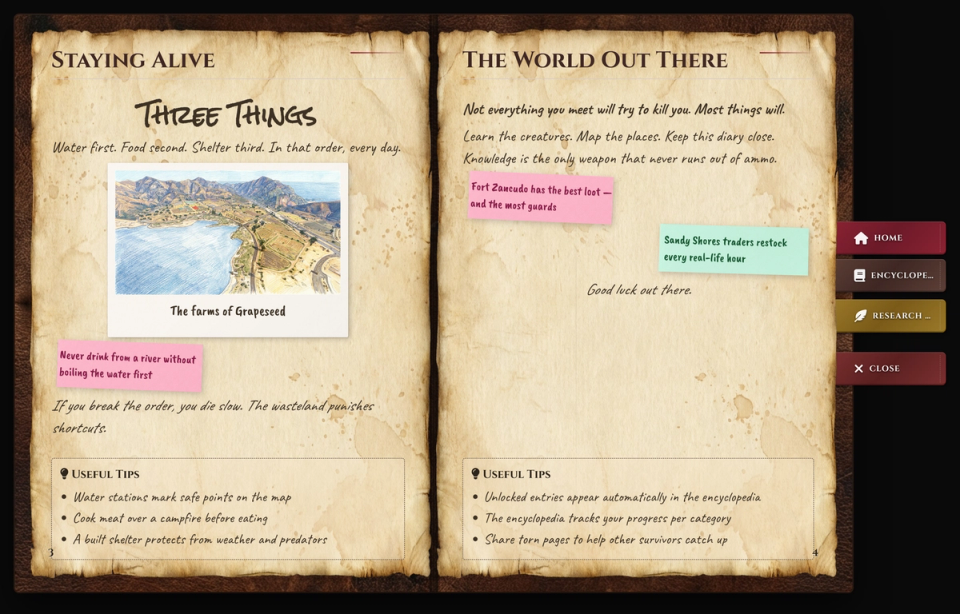
Build tutorial pages straight from the config out of four blocks: text paragraphs, polaroid photos with captions, colored sticky notes, and tip boxes. Text styles to combine, including bold and red. The sticky note colors are yours to set.
Pages That Lay Themselves Out
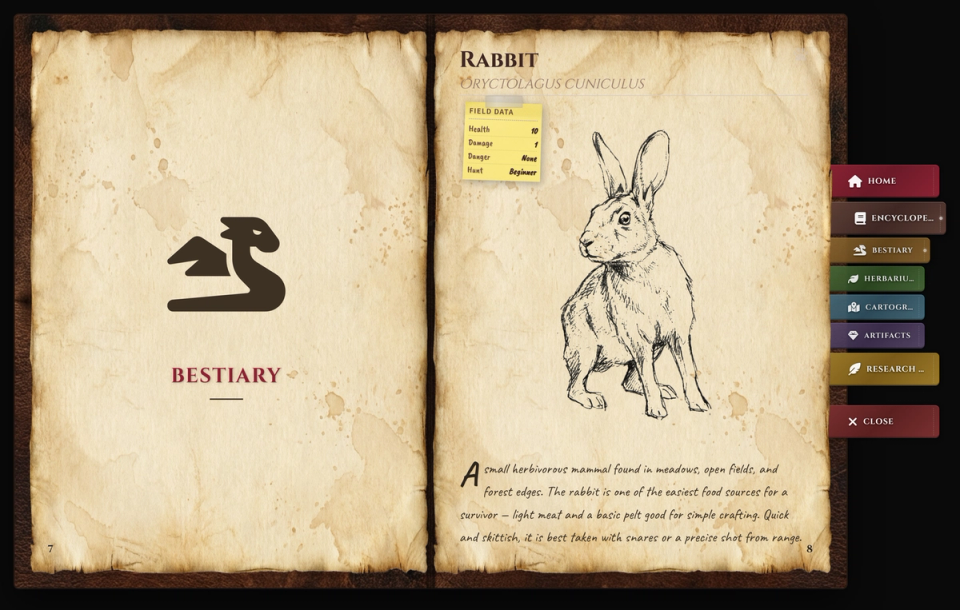
When a manual page runs long, it flows onto extra sheets by itself. It keeps polaroids and sticky notes whole instead of cutting them in half, and parks the tip box on the closing sheet. You never edit the config to make things fit.
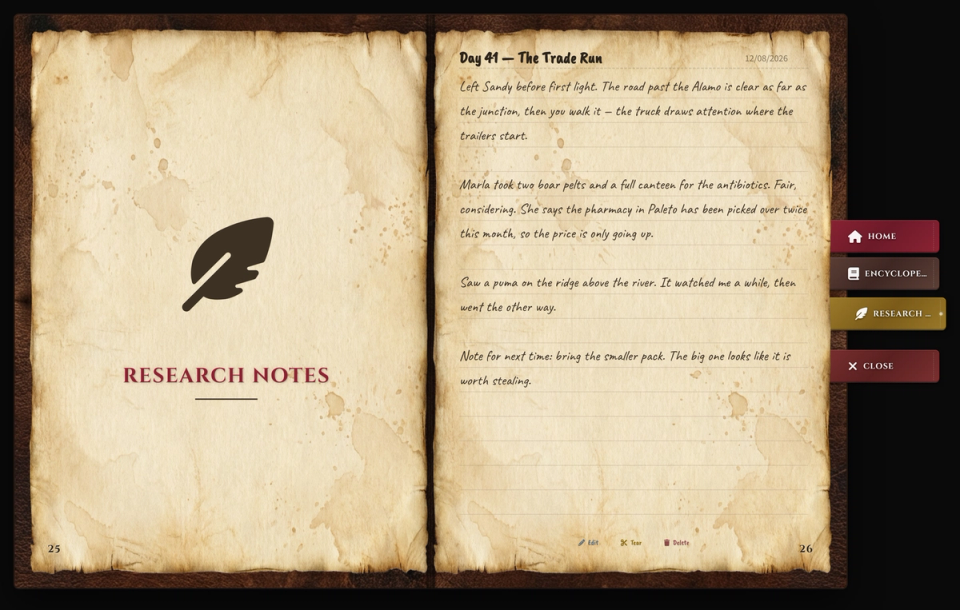
Notes and Drawings
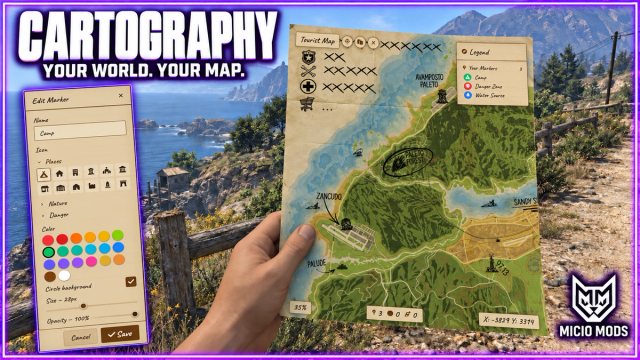
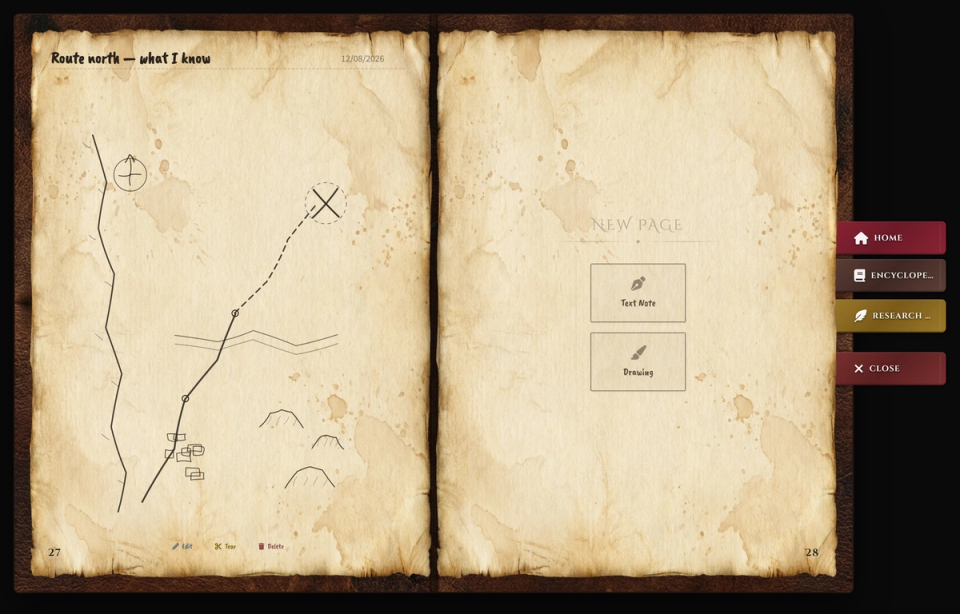
The back of the book is the player's. A writing editor with formatting for their own notes, and a free-draw canvas for hand-drawn maps. Drawings can sit over a background image to trace. Everything is saved on a timer you choose, with nothing for the player to remember.
Tear Out a Page as an Item
Any note or drawing the player wrote can be torn out and dropped into the inventory as a tradeable item that carries the page inside it. Pass it to another survivor, hide it in a stash, plant it as a clue. Whoever finds it can slot it into their own diary. Using a found page opens a preview first: the finder reads it, then chooses to slot it into their diary or destroy it.
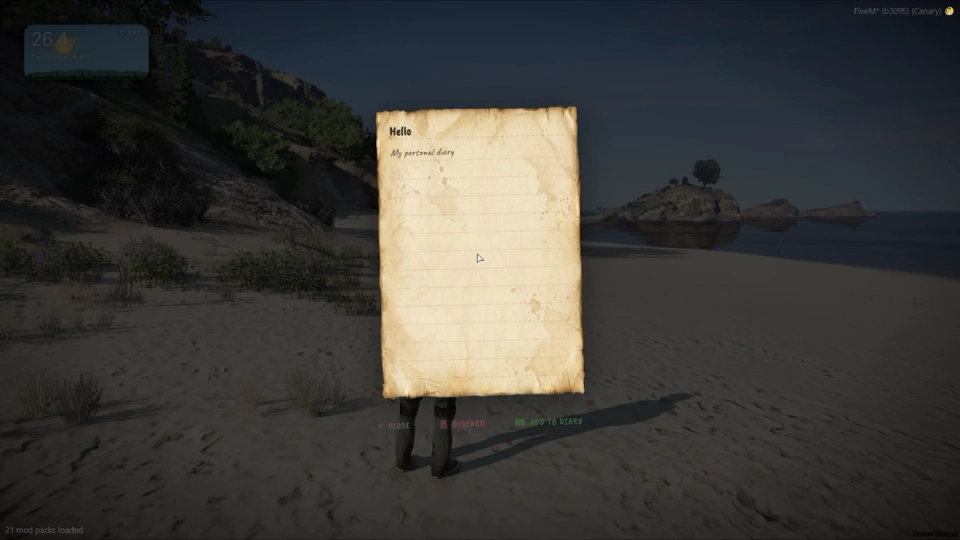
Other Scripts Can Write Inside
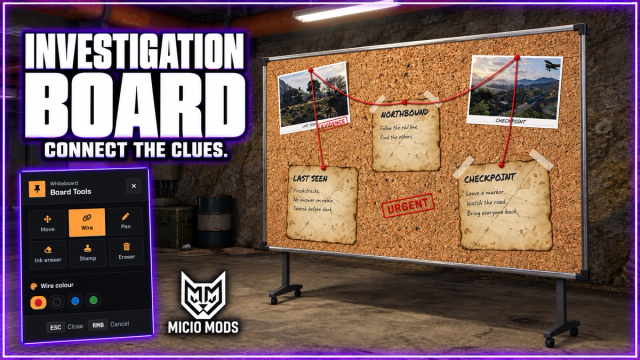
Other resources can push pages into the diary, and missions can read what a player wrote in their notes to fire the next step. Mention the safe, the password, or the coordinates, and the story advances. Scripts can also unlock encyclopedia entries and read per-category progress. A quest can reward the player who completes the bestiary.
Item Mode or Player Mode
Choose how a diary is identified with one setting. Item mode gives each book its own serial. A player can carry several. Player mode gives every player one diary for life with no item data needed.
A Cover You Can Dress
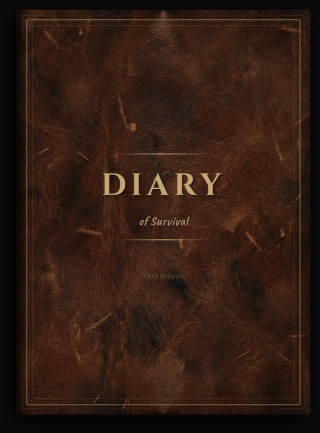
Style the book down to the stitching: title and trim colors, title, subtitle, hint text, gold trim, corner brackets, leather straps, and an emblem. Each decorative piece toggles on its own. It fits survival, roleplay, western, and fantasy.
Entry Layouts and Styling
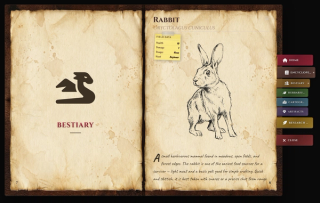
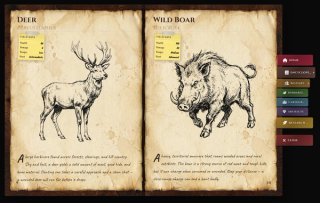
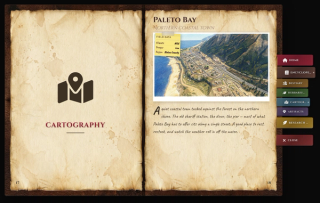
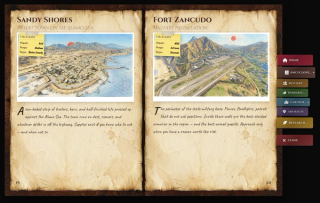
Each encyclopedia entry takes five image frame styles (polaroid, taped, sketch, noir, stamp), two layouts (vertical float or horizontal banner), and a stats box with key and value pairs like Health 100 or Danger High. Made for bestiaries and location cards.
Sensible Storage Caps
Notes, drawings, and the whole diary each have a size cap. One huge sketch can never weigh your server down. If a save runs over the limit, that note is held back and the player gets a clear message saying why.
Discord Logs
Every page written, torn or deleted and every discovery lands on your Discord. Four separate webhooks, with one reserved for players caught forging discoveries or touching diaries they do not hold.
Admin Unlock Commands
Unlock one entry, a whole category, or everything, and reset a diary back to zero with four chat commands. All locked behind your admin permissions.


![Ashfall RP [DEV]](https://frontend.cfx-services.net/api/servers/icon/oaa5qbj/-267466854.png "Ashfall RP [DEV]")


Secure Payments via:
















Tip: Log in with Discord and your customer roles sync automatically.
Verified Reviews
No reviews yet. Be the first.